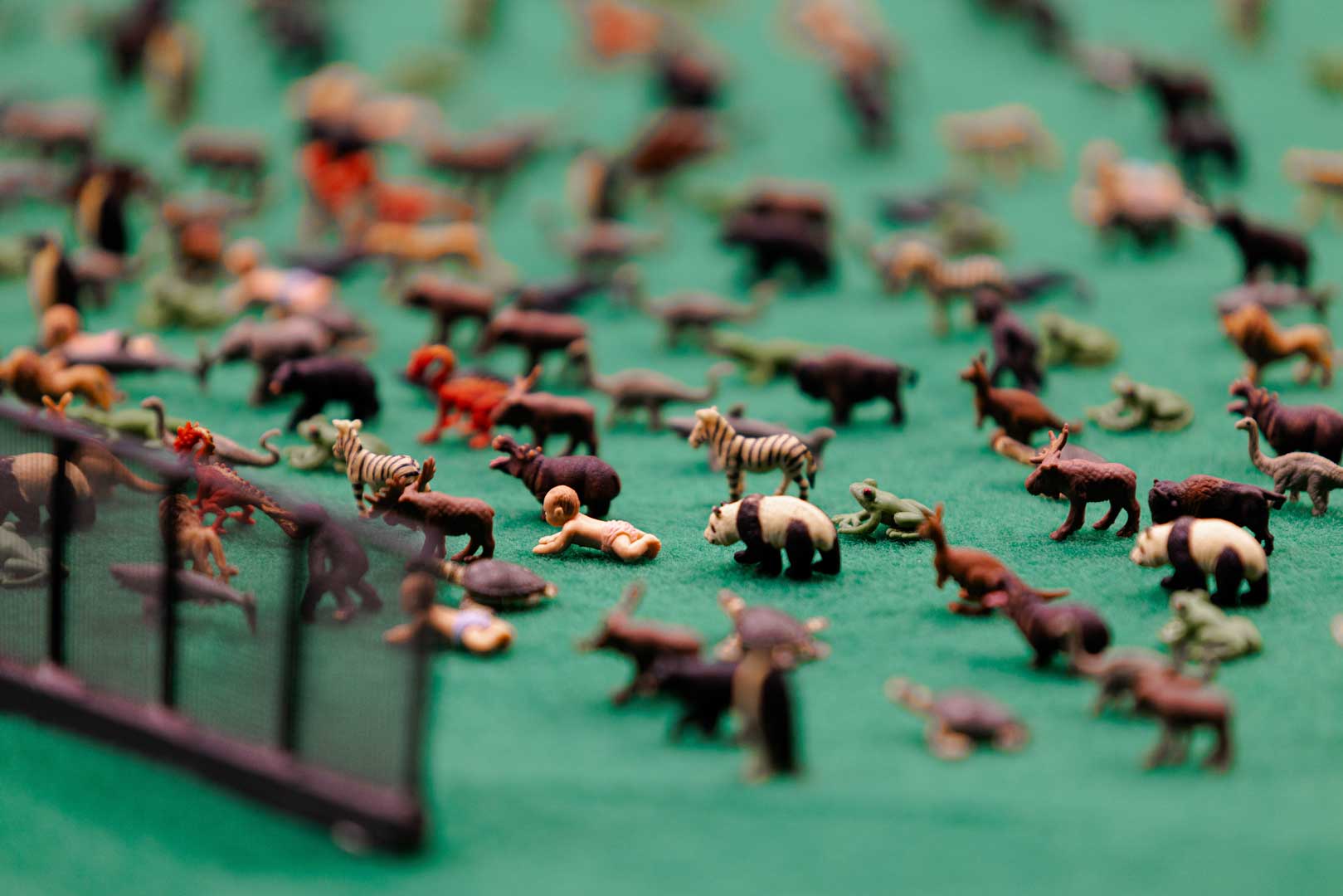
Birdie got me thinking about place, movement, and images, what we see and what we miss. Shoutout to Nina Coyle's prompt also that used the word "afterimage" and got me rumbling on a visual bruise that lingers.
Inspired by Birdie
Inspired by Birdie
My brother told me not to look at the floodlights. “Quit it, Tonto,” he said from the driver’s seat, batting a hand at my face. “You’ll burn your eyes.”
I stared anyway while we waited for the truck to clear the checkpoint. The guards stood beneath a row of generators, rifles slung loose, their water tanks strapped to their backs like metal shells. I felt their eyes on our necks. I could smell their sweat. I wanted to see us in their eyes.
As we drove away, the lights’ brightness followed me, a green-violet bruise floating across everything I could see: the mountains, the desert flats, the darkening sky.
You carry what you see. You carry it whether or not it was yours to hold.
Later, when I drove and Remy slept, the afterimage rearranged the night. The ladder appeared first, its rungs burned into the pavement ahead of us. The tops of the mountains were jagged with fencing and coils of wire. The stars above us took the shape of a rifle.
The words on the guard’s helmet streamed through the lights in the rearview mirror: Thirst Patrol.
By then we had been moving for months, ever since the wells failed and the militias started fighting over the last reservoirs. Our town emptied slowly at first—families selling what they could, trucks leaving in the night—then all at once after the shelling began. The orchards burned. The riverbed cracked open like bone.
Sometimes, crossing landscapes I’d never dreamed of seeing, I imagined photos I would have taken if we could have stopped. I framed them in my mind.
Exposure: two boys, scarves wrapped around our faces, same brown eyes, a rusted truck with a loose fender, dust lifting off the highway like smoke.
Not pictured: lost mother, lost sister, the house we left behind with its windows blown out.
Not pictured: our father, who had gone ahead months before, following the rumors of water. In my mind he stands at the shoreline somewhere far south, his long hair wet, his smile wide, chipped tooth flashing in the sun.
I thought the more precisely I named the scene it might hold still, might come true. Some memories you wanted to keep. Others, you wanted to leave behind.
By morning, the sand and heat had rubbed away whatever colors remained behind my eyes. We passed a road sign bent nearly in half, its letters sandblasted white. Neither of us could read what it said.
Direction fractures under thirst. Language blurs borders.
I kept seeing a man hidden among the trees, though we passed no trees. I wondered if he was me—years ahead already, someone new.
Remy kept talking about jobs, remittances, documents, the kind of things people said waited on the other side of water. I kept thinking about light, how it enters you and stays.
Even now, years later, I close my eyes and see shapes hovering: a ladder, a rifle, a man, Thirst Patrol.
Proof that I crossed. Or that something crossed into me.
I still don’t know.